Editorial note: This guide addresses one of the most common sources of anxiety in online dating after 50: choosing photos. Reader conversations consistently describe the same pattern — people delay creating a profile for weeks because they cannot settle on photos, or they use outdated images and face an uncomfortable mismatch at the first meeting. This guide provides a practical framework rather than aesthetic advice. It assumes you look like a real person who has lived a real life, and it works from there.
What Your Photos Actually Need to Do
Dating app photos after 50 have one job: help someone decide whether they want to have a conversation with you. They are not portfolio shots. They are not a complete representation of who you are. They are an invitation — specific enough to attract people who might like the real you, honest enough that the first meeting feels continuous with what they saw online.
That means your photos need to accomplish three things:
Show what you look like now. Not five years ago, not at your daughter’s wedding when you were styled by a professional, not in a group where the viewer has to guess which one is you. Your current face, your current body, your current hair. The person who arrives at the coffee shop should match the profile.
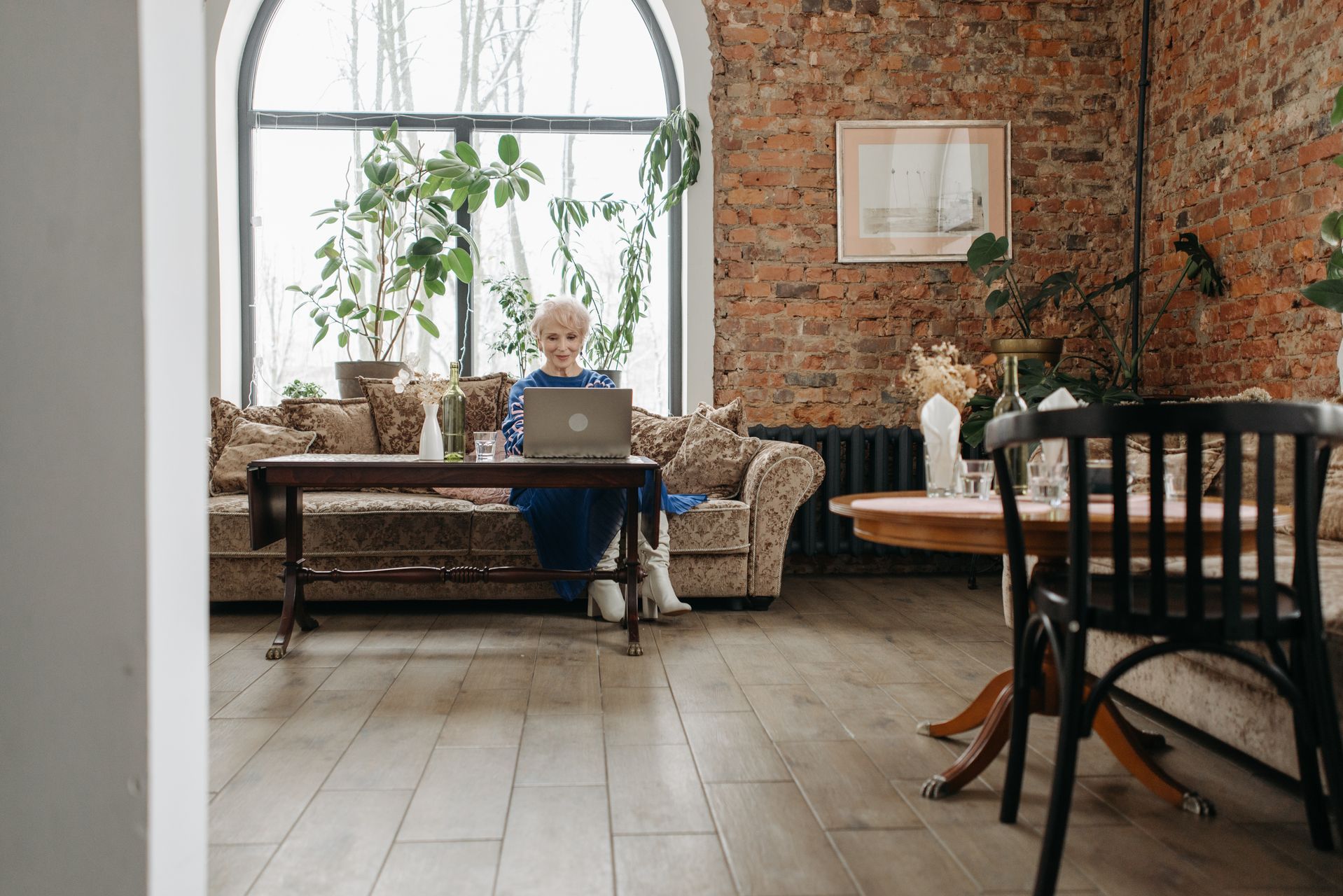
Communicate something about your life. A photo in your garden, at a restaurant you like, on a walk you take regularly, with a book you are reading — these say more than a posed headshot against a blank wall. They give people something to ask about and a sense of what spending time with you might feel like.
Feel approachable. Warmth reads in photos. A slight smile, relaxed shoulders, natural light, an ordinary setting — these signal that you are someone who would be pleasant to sit across from. Formal portraits, sunglasses in every shot, crossed arms, and distant expressions create barriers.
How Many Photos You Need
Four to six is the working range. Here is a practical allocation:
Photo 1: Clear face shot. Your main photo. Good lighting (natural light near a window is ideal), face clearly visible, slight smile or neutral-warm expression. This is what appears in search results and first impressions. It matters most.
Photo 2: Full or three-quarter body. Standing, sitting, walking — anything that shows your general build and posture honestly. Does not need to be flattering in a magazine sense. Needs to be truthful.
Photo 3–4: Context photos. You doing something or in a place that reflects your actual life. Cooking, gardening, hiking, at a café, at a concert, with a pet. These give conversation starters and communicate what your days look like.
Photo 5–6 (optional): Variety. A different outfit, a different setting, a different expression. These demonstrate that you are a real person with a varied life, not someone who took six photos in one sitting.
What each slot is not: Photo 1 is not a selfie in a car. Photo 2 is not a gym mirror. Photos 3–4 are not your entire travel portfolio from 2019. Restraint serves you better than volume.
The Recency Question
How recent your photos should be has one honest answer: they should look like you look now.
If you have not changed much in two years, a two-year-old photo is fine. If you have changed significantly — gained or lost weight, gone grey, grown a beard, changed your glasses — use photos that reflect the current reality. If going grey is the specific change causing hesitation, the guide on dating with gray hair addresses why it matters far less than most people assume.
The reason is not moral. It is practical. If someone meets you and feels misled by your photos, the date starts with disappointment and distrust regardless of how the conversation goes. Honest photos prevent that first-date dissonance for both people.
Common concerns:
“I looked better two years ago.” Use current photos anyway. The person who likes your current photos is someone who will like you when you walk in. The person who would only have liked the older version is not a match — you would have discovered that immediately on meeting.
“I do not have recent photos.” Take some. Prop your phone on a shelf and use the timer. Ask a friend to take a few shots the next time you are out. They do not need to be elaborate. Natural, well-lit, and current is enough.
“I am not photogenic.” Most people are not — photography is a skill that flatters some faces and distorts others. But dating app photos do not need to be beautiful. They need to be recognisable. A slightly awkward but honest photo serves you better than a technically polished one from a different era.
What Works After 50 — Specifically
Some photo advice is genuinely different for adults over 50 because the context is different:
Natural light over flash. Flash photography flattens features and emphasises texture in skin. Natural light — especially indirect sunlight or window light — is more forgiving and more accurate. Stand near a window. Go outside on an overcast day. Avoid direct overhead sun (it creates harsh shadows under eyes and nose).
Warmth over formality. A relaxed photo in your kitchen beats a stiff portrait taken at a studio. People over 50 are looking for someone to spend time with, not someone to admire from a distance. Warmth — in expression, in setting, in posture — communicates availability.
Activity over posing. A photo of you tending your garden, walking a trail, or reading on your porch communicates more than a posed headshot against a neutral background. It gives the viewer a sense of what proximity to you might feel like. The activity does not need to be impressive. It needs to be real.
One photo with others, not all photos with others. A group photo shows that you have a social life and can take up space around other people. But a profile full of group photos forces the viewer to hunt for you in every image. One group shot is social proof. More than two is a puzzle.
No sunglasses in your main photo. Eyes communicate warmth and trustworthiness. A main photo in sunglasses reads as hidden. Save the sunglasses for a secondary photo if you want to include one — but your lead image should show your full, unobstructed face.
What to Avoid
Photos that are clearly old. Low resolution, dated clothing, hairstyles you no longer have, venues that have since closed. These signal either dishonesty or low effort.
Every photo from the same event. Five photos in the same outfit, same day, same location reads as “I had one good day and used all of it.” Spread across contexts and days.
Photos with an ex cropped out. The awkwardly framed shot with a mystery arm or half a shoulder visible is immediately recognisable. Either use a photo where you are alone, or accept the crop gracefully with no visible remnants.
Children or grandchildren as main subjects. Including children in dating photos raises privacy questions and shifts focus away from you. If you want to signal that you are a grandparent, mention it in your bio — you do not need a photo to prove it.
Excessive filters or editing. Smoothed skin, narrowed jaw, enlarged eyes — these create a version of you that does not exist. The person who responds to a heavily filtered photo is responding to someone else. When they meet you, the dissonance creates a problem you could have avoided.
Gym photos, car selfies, bathroom mirrors. These are low-effort environments that communicate nothing about who you are. They work against you regardless of what you look like in them.
If You Genuinely Do Not Like How You Look
This is common, and it deserves a direct response rather than a motivational pivot.
If you dislike your appearance in photos, the temptation is to use old photos, heavy filters, or to avoid creating a profile at all. All three protect you from visibility at the cost of connection.
The practical truth is: someone out there will look at your current, honest photo and think “I would like to meet that person.” Not everyone — but someone. And that someone is the person worth finding. They are not findable if your photos do not look like you.
If this anxiety runs deeper than photo selection — if it touches how you feel about being seen generally — the guide on what to do if you don’t feel attractive on dating apps after 50 covers the emotional dimension in more depth.
Getting the Photos Taken
You do not need a professional photographer. You need ten minutes, decent light, and one of these approaches:
The timer method. Prop your phone on a shelf, table, or stack of books at eye level. Set the 10-second timer. Take 15–20 shots in different positions — sitting, standing, slight smile, neutral. Choose the three best. This takes less time than agonising over existing photos.
The friend method. Next time you are with a friend — at lunch, on a walk, at home — ask them to take a few photos of you. Most people are happy to help. The photos will be natural because you were not posing for them deliberately.
The existing photo audit. Look through your phone’s recent photos. Are there any from the past six months where you happen to look like yourself — at an event, on a trip, in your garden? These unintentional photos are often the most natural-looking.
What you are looking for: Photos where you look like yourself on a normal day when you feel reasonably well. Not your best day. Not your worst. A Tuesday that went fine.
A Manageable Starting Point
If you have been delaying your dating profile because of photos, here is the minimum viable set:
- One clear face photo in natural light (timer or friend, taken this week)
- One three-quarter or full body photo in a place you actually go
- One photo of you doing something you enjoy
- One optional variety shot (different day, different context)
That is enough to start. You can add and swap photos later as you take better ones. The profile does not need to be perfect at launch — it needs to exist. If activity drops after a few months, the guide on refreshing a stale dating profile covers what to check and change.
For a broader look at how to write a dating profile after 50 — including bio, prompts, and what to include beyond photos — that guide covers the full profile picture.