Editorial note: This guide draws on a Binghamton University study (Wagner et al., 2020) that found routine non-sexual affection — hugging, holding hands, sitting close — predicted relationship satisfaction across 184 couples regardless of attachment style. It also draws on reader conversations about what physical closeness feels like when you have not touched anyone in years and are working out how to begin again. We are not therapists or relationship counsellors. If physical touch triggers significant anxiety or distress, a professional can offer more direct support than any guide.
Physical affection in new relationships after 50 tends to get less attention than it deserves — partly because most writing about later-life intimacy jumps straight to sex. The progression from incidental contact to hand-holding to quiet closeness gets treated as something that should happen automatically, or as a step readers do not need guidance about.
But many readers describe exactly this territory as the part that feels most uncertain. One reader put it simply: “I know what I want eventually. I just don’t know how you get from sitting across a table to actually touching someone for the first time when it’s been twelve years.”
That gap — between wanting closeness and knowing how to initiate it — is where this guide lives.
If you are in the early weeks of seeing someone and you find yourself wondering when holding hands becomes natural, or how to read whether a hug would be welcome, or whether your own hesitation means something is wrong, this is for you. Nothing here is a sequence to follow or a checklist to complete. Physical affection is a conversation between two bodies that builds gradually when both people feel safe enough to let it.
Why Physical Affection Feels Unfamiliar Again
There is a specific disorientation that comes with wanting to touch someone new after years without physical closeness. The desire is present — sometimes strongly so — but the mechanics of how to act on it feel foreign.
This makes sense. Touch is a skill maintained through practice, and physical affection in long-term relationships becomes so automatic that you stop noticing you are doing it. A hand on a shoulder while passing in the hallway. Legs touching on the sofa. An arm around someone’s waist while waiting in line. These were not decisions. They were the background texture of partnership.
When that partnership ends — through divorce, bereavement, or simply time apart — the accumulated physical vocabulary disappears with it. You are not starting from zero. The memory of what closeness feels like is still there. But the ability to initiate it with someone new, to read whether it would be welcome, to calibrate how much pressure or how long a touch should last — that feels as uncertain as it did decades ago.
The Binghamton study found that routine non-sexual affection — everyday touches, not grand romantic gestures — was what predicted satisfaction across couples. Which suggests that the hand-holds, the shoulder brushes, and the quiet sitting-close moments are not warm-up acts for something else. They are the substance of physical connection in their own right.
If affection feels unfamiliar right now, that is not a failure of desire or confidence. It is the predictable result of a long gap between one relationship and the next. And it tends to recalibrate faster than people expect once they are with someone patient enough to let it develop without pressure.
The Spectrum of Non-Sexual Touch
Physical affection is not a single thing you either do or do not do. It exists across a range, and understanding that range makes it easier to notice what is already happening — and to build from there without forcing anything.
Incidental and situational touch
The earliest physical contact in a new relationship is often incidental. It happens within the architecture of ordinary activities rather than as a deliberate choice.
This includes:
- Hands brushing when passing something across a table
- A light touch on the arm to emphasise a point in conversation
- Guiding someone through a doorway with a brief hand at the back
- Sitting close enough that shoulders or knees touch
- Walking at a proximity that creates occasional contact
These moments are not insignificant. They are how two people begin testing what closeness feels like before either person has to commit to something that requires acknowledgment. If you notice yourself moving closer, or notice the other person doing so, that information is worth paying attention to.
Deliberate affection
Deliberate affection is touch that both people recognise as intentional — holding hands, offering a hug at greeting or parting, linking arms while walking, placing a hand on someone’s knee during conversation.
The transition from incidental to deliberate is often the moment that feels most loaded. A reader described it well: reaching for someone’s hand on a walk felt like it required more courage than most conversations she had had on those same dates.
That weight is real, and it is also temporary. Once the first deliberate touch has happened and been received naturally, the subsequent ones carry less charge. The threshold between “I wonder if I can” and “we just do this now” tends to lower quickly.
One practical observation: parting moments — saying goodbye at a car, at a front door, at the end of a walk — often create a natural frame for deliberate affection. The situation itself suggests closeness in a way that mid-date touches sometimes do not.
Reading Nonverbal Signals
Part of what makes physical affection uncertain in new relationships is that it relies heavily on nonverbal communication — a language many people over 50 feel rusty with after years in partnerships where words carried the load.
Reading signals is not about decoding a secret system. It is about noticing patterns of proximity, reciprocity, and comfort over time.
Signs someone may be open to touch:
- They maintain or decrease physical distance when you move closer
- They initiate incidental contact themselves — a hand on your arm, a touch on your shoulder
- Their body orients toward you (shoulders facing you, feet pointed in your direction)
- They linger in moments of closeness rather than pulling back quickly
- Eye contact feels sustained and warm rather than darting
Signs someone may prefer more space:
- They subtly increase distance when you lean in
- Physical contact is not reciprocated — a hand on the arm gets no equivalent response
- Their body angles slightly away during close moments
- They create barriers with objects (a bag held in front, a cup held with both hands)
- They end close moments faster than you would expect
None of these are definitive on their own. A person can feel attracted and still need slower pacing because of their history, temperament, or the specific context. Signals are tendencies, not permissions. They give you information to work with rather than certainty to act on.
The most reliable signal is consistency over time. A single moment tells you little. A pattern across several dates tells you something real about what someone is comfortable with.
If you are genuinely uncertain, asking directly works. “Is this okay?” said calmly during a natural pause — a hand on someone’s back, a first attempt at holding hands — tends to be received as warmth rather than awkwardness. Most people over 50 find directness more comfortable than guessing, even when reading mixed signals in dating after 50 sometimes feels like the more familiar mode.
Pace, Timing, and the Question of Who Goes First
There is no correct timeline for physical affection. Some people hold hands on a second date. Others take a month before touch feels natural. Both are legitimate paces that reflect personal history, comfort level, and the specific dynamics between two people.
What matters more than speed is whether the pace feels mutually comfortable — not just tolerated, but genuinely okay for both.
Timing usually follows emotional safety
Physical affection tends to arrive naturally once a certain level of emotional safety is established. That threshold is different for everyone, but it usually involves:
- Enough conversational depth to feel known rather than evaluated
- At least one moment of genuine ease — laughter, shared recognition, comfortable silence
- A sense that the other person is paying attention to you specifically, not performing a generic date
Touch before emotional safety is established often feels hollow or premature, even when both people are attracted. If affection does not feel natural yet, that usually means the emotional infrastructure is still building — and building connection slowly after 50 is a legitimate, self-respecting pace rather than a sign of hesitation.
Who initiates
The question of who goes first still carries gendered weight for many people dating after 50 — expectations absorbed decades ago do not disappear simply because they feel outdated.
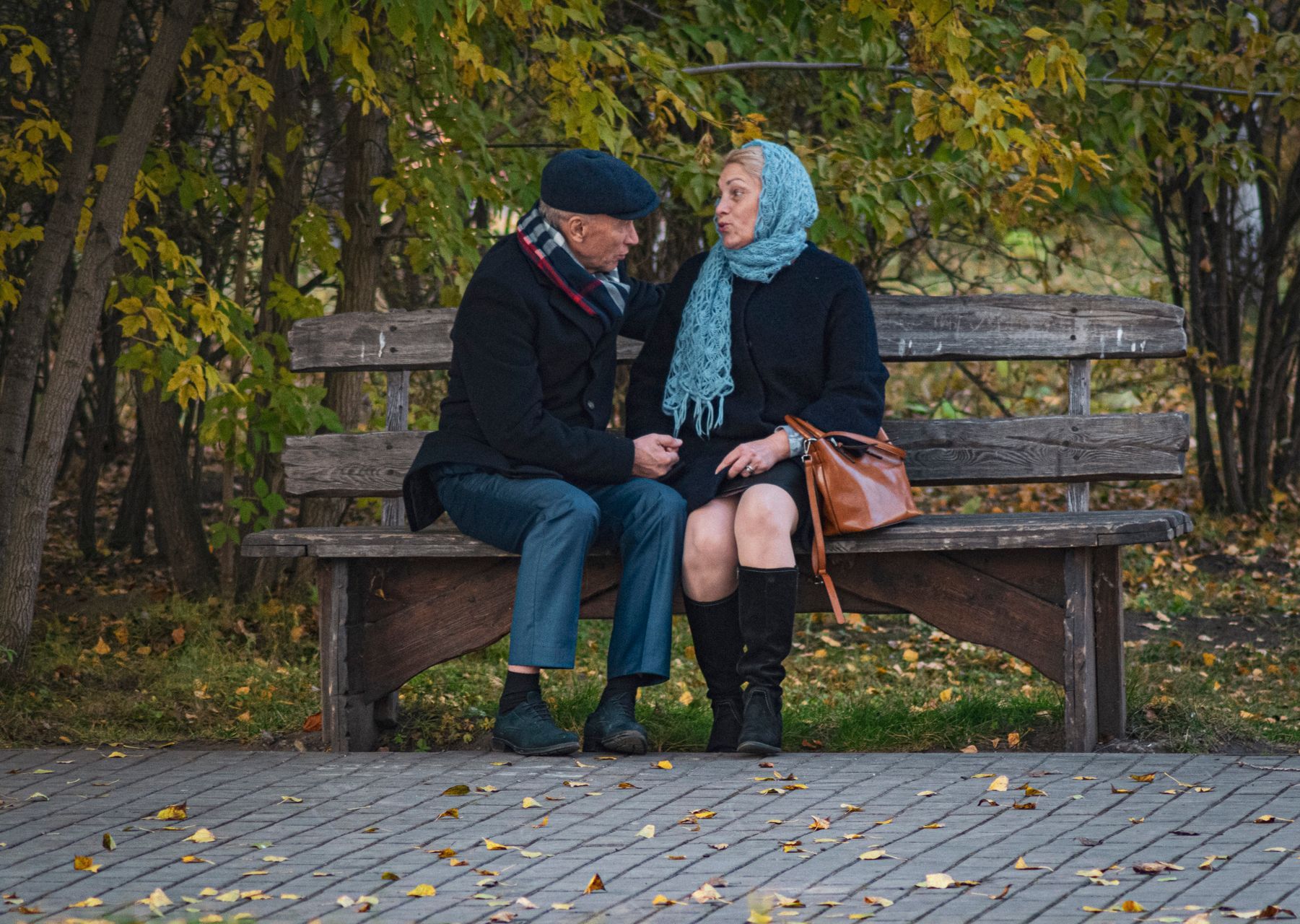
In practice, the person who initiates is the person who feels ready first, regardless of gender. And the initiation does not need to be dramatic. Reaching for someone’s hand during a walk. Offering a hug at the end of an evening. Moving closer on a bench. These are small offers that allow the other person to reciprocate or gently not engage — without anyone needing to make a speech about it.
If you tend to wait, consider that the other person might be waiting too. Someone has to bridge the gap eventually, and small gestures are easier to extend — and easier to receive — than grand ones.
Dating at a healthy pace after 50 does not mean avoiding physical affection. It means letting it build from genuine readiness rather than external pressure or rules about how many dates should pass first.
When Touch Feels Uncomfortable or Unwanted
Not all touch lands well, and that is a normal part of navigating closeness with someone new. Discomfort with physical affection does not necessarily mean something is wrong — with you, with the other person, or with the connection.
Discomfort can come from:
- A pace that moves faster than your emotional readiness
- Touch that feels performative or disconnected from the conversation
- Your own history making certain kinds of closeness trigger wariness
- A simple difference in how two people prefer to express affection physically
If someone’s touch feels unwelcome, saying so calmly is reasonable. “I’m enjoying getting to know you, but I’d like to take physical closeness a bit more slowly” is a complete sentence. The response to that sentence tells you something important about the person hearing it.
If your touch is not reciprocated, that information deserves a steady response. Withdrawal is not rejection of who you are. It is communication about pace. Respecting it without sulking, pressuring, or over-apologising is the most useful response available.
For a broader look at navigating the full landscape of physical intimacy — including the emotional and physical dimensions beyond non-sexual affection — the guide to physical intimacy after 50 covers the wider terrain.
Frequently Asked Questions
How do you initiate holding hands without it feeling awkward?
The most natural opportunities are during movement — walking side by side, stepping off a curb, navigating a crowd. A hand offered briefly in a transitional moment carries less weight than reaching across a table in silence. If the gesture lands, it builds from there. If it does not, the moment passes without requiring discussion.
What if I want physical affection but my partner hasn’t made a move?
That does not necessarily mean they are uninterested. Many people over 50 describe wanting closeness but waiting for a clear signal that it would be welcome. If you have been waiting several dates and affection has not arrived, consider making a small move yourself — a touch on the arm, sitting closer, offering a hug at parting. Their response will tell you more than their inaction does.
Is it normal to feel nervous about simple touch like a hug?
Yes. Nervousness about basic physical affection after a long gap is common and does not mean something is wrong with you. Your body has been operating without that kind of input for years. The nervousness usually fades quickly once touch becomes part of the ordinary routine between you and another person.
What if our comfort levels with physical affection don’t match?
That mismatch is common and manageable — but only through honest conversation. One person wanting more closeness and the other needing more space is not a dealbreaker by itself. What matters is whether both people can name what they need without defensiveness, and whether the difference narrows over time or becomes a source of ongoing frustration. If mismatched preferences extend beyond touch into other areas of the relationship, the guide to handling disagreements in a new relationship after 50 covers how to navigate those conversations without catastrophising them.
A Starting Point, Not a Sequence
Physical affection in a new relationship after 50 does not follow a set order. There is no correct first move, no prescribed timeline, and no sign that you have fallen behind if touch has not arrived yet.
What helps most is paying attention — noticing what is happening between you and another person, reading their comfort alongside your own, and being willing to bridge a small gap when the moment feels safe enough.
You do not need to be confident about this to begin. You need to be willing to be slightly uncertain and move toward someone anyway. That is usually enough.