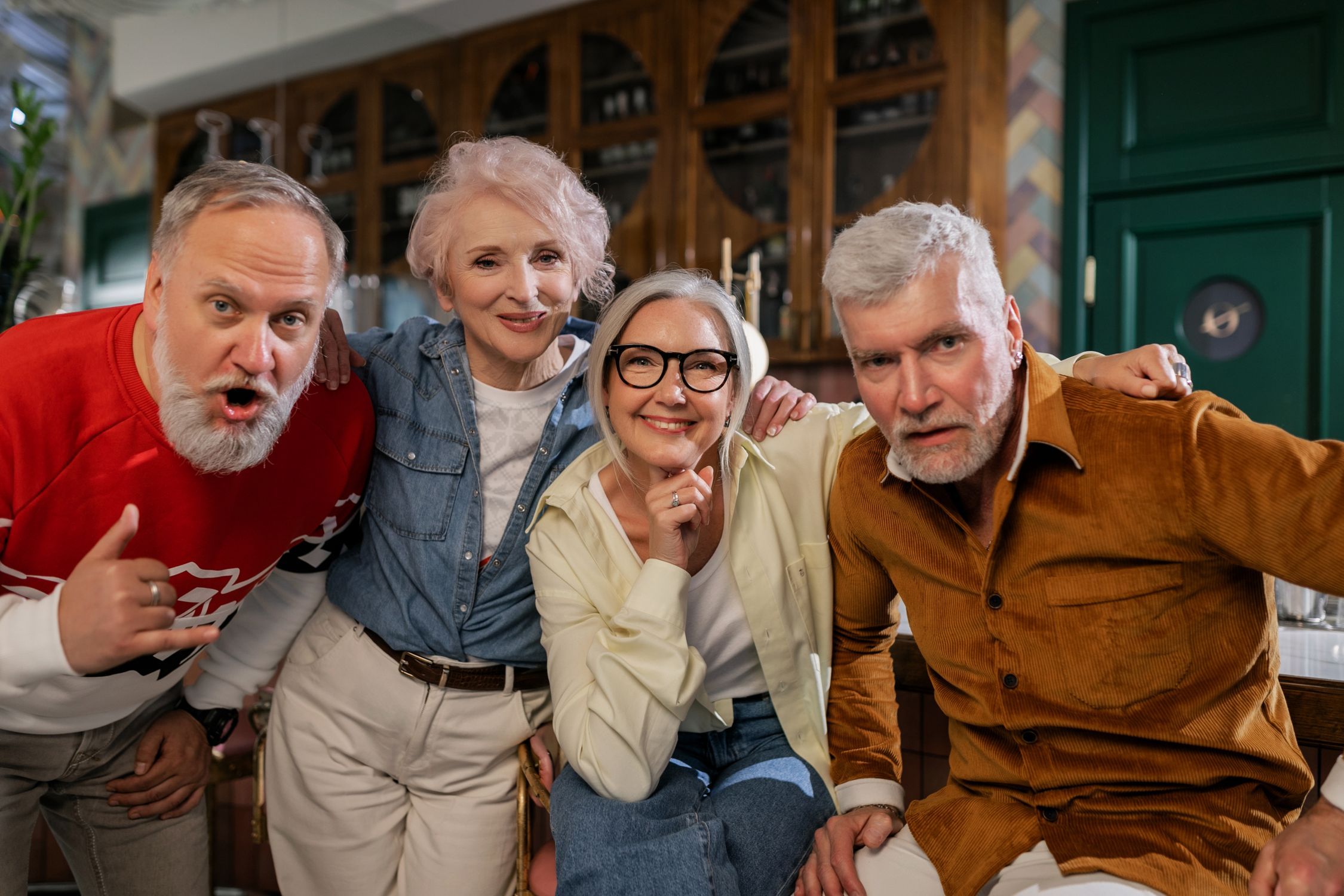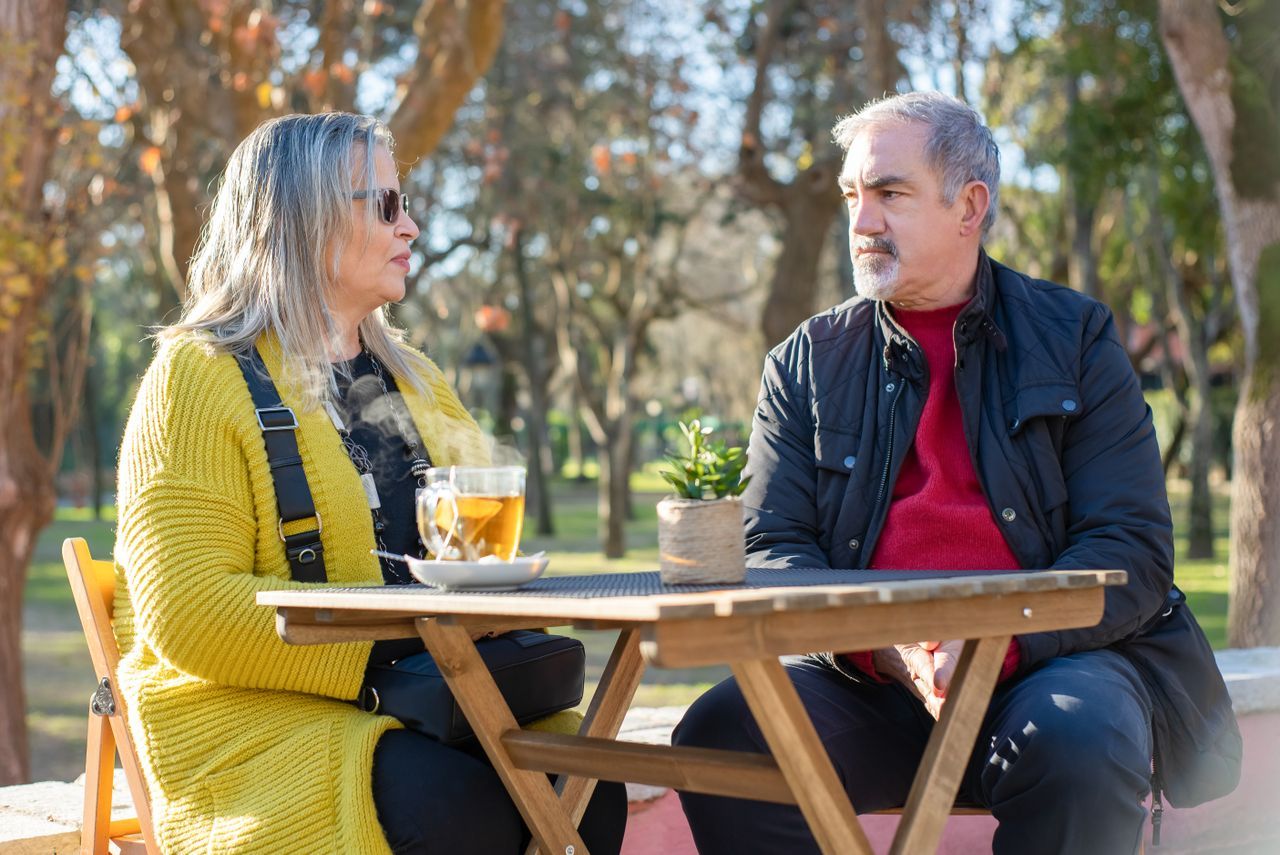
Editorial note: This guide draws on Pew Research data on older adults and dating, Stanford sociologist Michael Rosenfeld’s research on how couples meet, and reader accounts from adults over 50 who formed new connections in later life. We are not matchmakers or social workers. This guide describes patterns, not prescriptions.
How do seniors meet other seniors? The short answer: through repeated contact in structured settings, introductions from people they already know, dating apps designed for their age group, volunteer work, and educational or interest-based classes. The longer answer depends on whether someone is looking for friendship, companionship, romance, or some combination, and on how much social infrastructure they still have in place after retirement, relocation, or loss.
Most single adults over 50 do not meet through dramatic chance encounters. Research consistently shows that the paths to connection in later life are quieter and more gradual than cultural narratives suggest. They involve showing up regularly, being available to conversation, and letting familiarity develop over weeks rather than expecting sparks in a single meeting.
This guide maps the five main pathways seniors use to meet each other, with honest assessment of what each tends to produce and who each tends to suit. If you arrived here via an awkward search term like “old people meet” and felt uncomfortable even typing it, the guide to better language and better options addresses why the terminology around later-life dating is so unsettled and points toward what you are actually looking for. If you searched “senior people meet” and got a confusing mix of brand pages and general advice, the guide to what that phrase usually means sorts out the disambiguation. If you searched with a zip code hoping for hyper-local results and found only national platforms, the guide to what zip-code searches can and cannot tell you explains why and offers a diagnostic for what you are actually looking for. If you want a quick diagnostic to help you decide which path to try first — apps, activities, or something smaller — the guide to meeting mature singles online and offline offers a two-question framework. If you are asking this question because meeting people feels harder than it used to, you are not imagining it. The structural reasons are real. But so are the solutions.
Community Activities and Interest Groups
The most reliable pathway for meeting other seniors is regular participation in a structured activity alongside the same group of people. This works because it creates the three conditions that connection requires at any age: proximity, repetition, and shared context.
What counts as a community activity varies widely, but the settings that produce the most social connection share certain features: they meet regularly (weekly or fortnightly), they involve some shared task or interest that gives people something to discuss besides themselves, and they attract adults in a similar life stage.
Effective settings include:
- Walking and hiking groups
- Painting, pottery, or photography classes
- Book clubs and reading groups at local libraries
- Community choirs and amateur music ensembles
- Gardening clubs and allotment societies
- Local history groups and museum volunteer circles
- Language classes and cultural exchange groups
- Gentle fitness programmes (tai chi, yoga for seniors, swimming clubs)
One reader, a retired teacher at 61 in Oregon, described the pattern clearly: “I joined a watercolour class at the community centre because I wanted something to do on Tuesday mornings. After four weeks I had three people I genuinely looked forward to seeing. After three months, two of those had become real friendships. I was not looking for social connection when I signed up. The class produced it anyway, because we kept showing up to the same room.”
The guide to meeting people through community groups after 50 covers how to find these in your area and how the social mechanics of group participation actually work. For readers deciding between dedicated singles events and ordinary social clubs, the comparison of singles events vs social clubs examines the practical trade-offs of each format. The guide to hobbies that help you meet people narrows the list to activities specifically selected for their social potential. For readers over 60 who want practical help discovering what local options exist near them, the guide to finding singles over 60 in your area covers specific search strategies.
For readers who want a structured cost-and-effort comparison across apps, matchmakers, events, and community groups before choosing a path, the dating services format comparison for over 50 covers all four with price ranges and a decision diagnostic.
If the research points clearly toward one pathway as the most effective for seniors, it is this one. Rosenfeld’s data and Pew’s findings converge on the same conclusion: repeated in-person contact in shared-purpose settings produces more durable connections than any other channel for adults over 50. Apps can be faster. Introductions can be more targeted. But community activities create the broadest, most sustainable base of social connection because they do not require you to be looking for anything specific. You can be there for the activity itself and still benefit from the proximity.
The limitation is pace. This pathway rarely produces results in weeks. It operates on months. Readers who attend a group twice, meet no one interesting, and conclude it does not work have not given the mechanism enough time to function. The minimum useful commitment is roughly eight to twelve weeks of regular attendance before evaluating whether a particular group is producing social contact worth continuing.
Friend Introductions and Social Networks
Among adults over 50, introductions through mutual friends remain one of the most effective paths to lasting partnership. Research on relationship formation shows that connections initiated through shared social networks produce higher trust and longer relationships than connections formed through apps or cold approaches.
The challenge at 50 or 60 is that many people do not ask. Either the topic feels awkward, or they assume friends would have already offered if they knew someone. In practice, most friends need explicit permission to matchmake. A brief, low-pressure mention is usually enough: “I would enjoy meeting someone for company. If you ever think of someone, I would welcome the introduction.”
What makes this pathway powerful:
- It comes pre-filtered by someone who knows both parties
- First meetings can happen in group settings rather than formal dates
- There is built-in accountability (the friend stays connected to both people)
- Trust develops faster when a shared connection vouches for someone
The practical barrier for many seniors is cultural: asking feels vulnerable, and the topic carries a weight it did not carry at 30. The guide to dating after 60 when you prefer offline introductions addresses this barrier directly and offers specific language for asking friends without it feeling awkward. What helps is framing the request around companionship rather than romance. “I would enjoy regular company” creates less pressure than “I am looking for a partner,” and friends respond more readily because a lower-stakes framing makes the introduction feel less consequential if it does not work out.
It also helps to tell more than one person. A single friend may not think of anyone immediately. Three or four friends, each connected to different social circles, multiply the chances substantially. One reader, a widower at 68 in Massachusetts, described the approach: “I mentioned to four people over about two weeks that I was open to meeting someone. Three months later, one of them invited me to a dinner party specifically because another guest was single and they thought we might get along. We did.”
Cross-gender friendships are particularly valuable here. Male friends may know single women from their own social circles that your female friends have never encountered, and vice versa. The introduction network works best when it spans different social contexts rather than drawing from a single pool.
This pathway produces connections with higher compatibility because someone who knows you chose the match. It suits people who have an active social network and are comfortable making their availability known to a few trusted people.
Dating Apps and Online Platforms
Pew Research data shows that approximately 19% of adults over 50 have tried online dating. The number is growing, especially since the pandemic accelerated digital adoption among older adults. Apps are now a legitimate pathway for seniors meeting other seniors, though they work differently than they do for younger users.
Platforms designed for adults over 50 include SilverSingles, OurTime, eHarmony, and Match. Each has different strengths depending on whether you prefer structured matching (eHarmony, SilverSingles) or self-directed browsing (Match, OurTime). For a detailed comparison, the guide to dating apps and where to meet people over 60 reviews each platform honestly.
What to expect from apps after 50:
- Lower volume than younger users experience (fewer profiles, slower matching)
- Higher intent among those who are active (people over 50 on apps have usually chosen to be there deliberately)
- Variable local activity (depends heavily on geography and population density)
- Better results on message-first platforms than swipe-based ones for this demographic
The honest limitation: apps work well when local activity is sufficient, but in many areas outside major cities the number of active profiles drops sharply. If you open an app and see only a handful of people in your range, that reflects population density rather than personal failure. The guide to searching without losing perspective covers what thin search results actually mean and how to interpret them without discouragement. Widening the radius to 50 or 75 miles often changes the picture significantly. For readers in rural areas or smaller communities, dating after 60 in a small town addresses the geographic constraint directly.
One reader, a divorced woman at 62 in rural New Hampshire, described a common experience: “I tried SilverSingles for four months. In my area there were maybe eight men within 30 miles, and I had already seen all their profiles by the second week. I ended up meeting someone through a friend instead. The app was not useless — it forced me to admit I was ready to look — but it was not where the actual connection came from.”
Apps are one legitimate tool, but they are not the default answer for every situation. They work best as one channel alongside others rather than as the sole strategy.
For readers who prefer not to use apps, the guide to meeting singles over 50 beyond dating apps covers the offline alternatives in full. For gender-specific guidance, the guides to meeting men over 60 and meeting women over 60 without apps cover where each gender concentrates.
Volunteering
Volunteering produces social connection because it combines regular attendance, shared purpose, and a reason to be present that has nothing to do with dating. Many seniors meet each other through food bank shifts, charity shop volunteering, trail maintenance crews, library programmes, hospital visitor services, and community garden committees.
The guide to volunteering as a way to meet people after 50 covers this pathway in detail. The distinction that matters: one-off events produce less connection than recurring roles. Signing up for a weekly three-hour shift at the same organisation creates the repeated contact that familiarity requires. Attending a single charity gala does not.
One reader, a retired accountant at 63 in Maine, described the shift: “I volunteered at the community food bank every Thursday morning for six months before I realised I had a genuine social life there. Four of us started getting coffee after the shift. One of those people introduced me to someone she thought I would enjoy meeting. None of that would have happened if I had only shown up once.”
The types of volunteering that produce the most social connection tend to be hands-on, physical, and recurring: sorting donations, maintaining trails, building sets for community theatre, staffing information desks at hospitals, or running registration at local events. Roles that involve email, remote coordination, or solitary tasks produce less contact because they lack the in-person element that familiarity requires.
Worth noting: volunteering rarely leads directly to romance. What it does reliably is widen your social circle in ways that produce indirect connections. The person you meet at the food bank may not become your partner, but they may introduce you to someone who does. The value is cumulative and often indirect.
Classes, Courses, and Educational Settings
Community colleges, U3A (University of the Third Age) groups, adult education programmes, and local authority courses create structured learning environments where seniors encounter each other regularly over weeks or months.
What makes educational settings effective:
- Fixed schedules produce automatic repetition
- Shared learning creates natural conversation topics
- Group work and discussion formats lower social barriers
- The setting attracts people who are intellectually curious and socially engaged
- Class sizes are usually small enough (8–20 people) for everyone to become familiar
Popular options: art history, creative writing, languages, photography, local ecology, cooking, philosophy, music appreciation, and digital skills. The format matters more than the subject. Any class that meets weekly and involves the same cohort creates the conditions for connection. Many libraries and community centres list upcoming courses on their websites or notice boards, and most allow visitors to attend a first session before committing.
The practical advantage of classes over less structured settings: they have a defined start and end date, which creates a natural arc of increasing familiarity. By week three or four, most participants know each other by name. By week six or eight, conversations before and after class become their own social event. That progression happens automatically without anyone needing to initiate it.
For people who feel hesitant about joining community activities where the social element is explicit, classes offer a useful frame: you are there to learn something. The social connection is a side effect of the shared experience rather than its stated purpose. That makes it easier for people who find “social events” exhausting or contrived. You have a reason to be in the room that has nothing to do with meeting anyone, and that absence of pressure is often what makes meeting someone possible.
Frequently Asked Questions
What is the most common way seniors meet each other?
Through regular participation in community activities, interest groups, and shared social settings. Research shows that repeated contact in structured environments produces more lasting connections among adults over 50 than single events, app-based matching, or chance encounters. The second most common path is introductions through mutual friends.
Can you meet someone after 60 without using apps?
Yes. Only about 19% of adults over 50 have tried online dating. The majority of people who form connections after 60 do so through community activities, friend introductions, volunteering, classes, and regular presence in social settings. Apps are one option among several, and for many people they are not the most natural one.
Is it harder to meet people as you get older?
Structurally, yes. Retirement removes daily social contact. Geographic moves reduce network size. Friends pair off or become less available. Health and energy constraints narrow what is feasible. These are real barriers, not personal failings. The guide to why meeting people feels harder after 50 addresses the structural reasons and what helps.
Do community groups actually lead to relationships?
They can, though usually through friendship first. The pattern is: regular attendance produces familiarity, familiarity produces comfort, comfort produces genuine conversation, and genuine conversation occasionally reveals mutual interest. The timeline is longer than app-based dating (months rather than days), but the connections tend to be better grounded.
How long does it usually take to meet someone after 50?
There is no universal timeline. People who combine multiple channels (one app, one regular activity, telling friends they are open to introductions) tend to form connections within 3–12 months. People who rely on a single channel or attend activities irregularly may wait longer. Patience is a practical requirement at this age, not a motivational platitude.
Where This Leaves You
Seniors meet other seniors the same way people have always met: through showing up regularly, being open to conversation, and allowing familiarity to develop into connection. The pathways are not mysterious. They are community activities, friend networks, apps, volunteering, and classes.
The only question is which pathway matches your temperament, your energy, your geography, and your current social infrastructure. If your social life already contains enough variety and regular mixed-gender contact, connection may be a matter of time and patience. If it does not, the practical first step is adding one structured weekly activity that places you alongside other people your age. The complete guide to dating over 60 covers the broader landscape when you are ready to explore it.